Healthy Food, Fresh Meal & Protein Vending Machines
A healthy food vending machine is a configurable dispensing system for food-service operators and distributors planning meal and sports-nutrition vending. Begin with the food format, not a generic healthy label. Boxed meals, bars, powder tubs and ready-to-drink shakes place different demands on channels, collection and cleaning. A made-to-order shake is a separate preparation workflow from dispensing a sealed bottle. Compare the product's storage instructions, packaging and operator routine before deciding whether chilled storage, heating or additional preparation belongs in the project. Buyers comparing fresh food vending machine and protein vending machine options should use the same product samples and destination requirements when evaluating alternatives. This page organizes the available family around purchasing decisions; follow the individual product links for configuration details. Use the questions below to prepare a requirement brief, identify the options that need confirmation and explain who will operate, refill and maintain the equipment after delivery.
Compare the available product platforms
Use the documented product fit and configuration scope to shortlist equipment. A photograph or concept illustration does not establish an unlisted option, approval or performance guarantee.
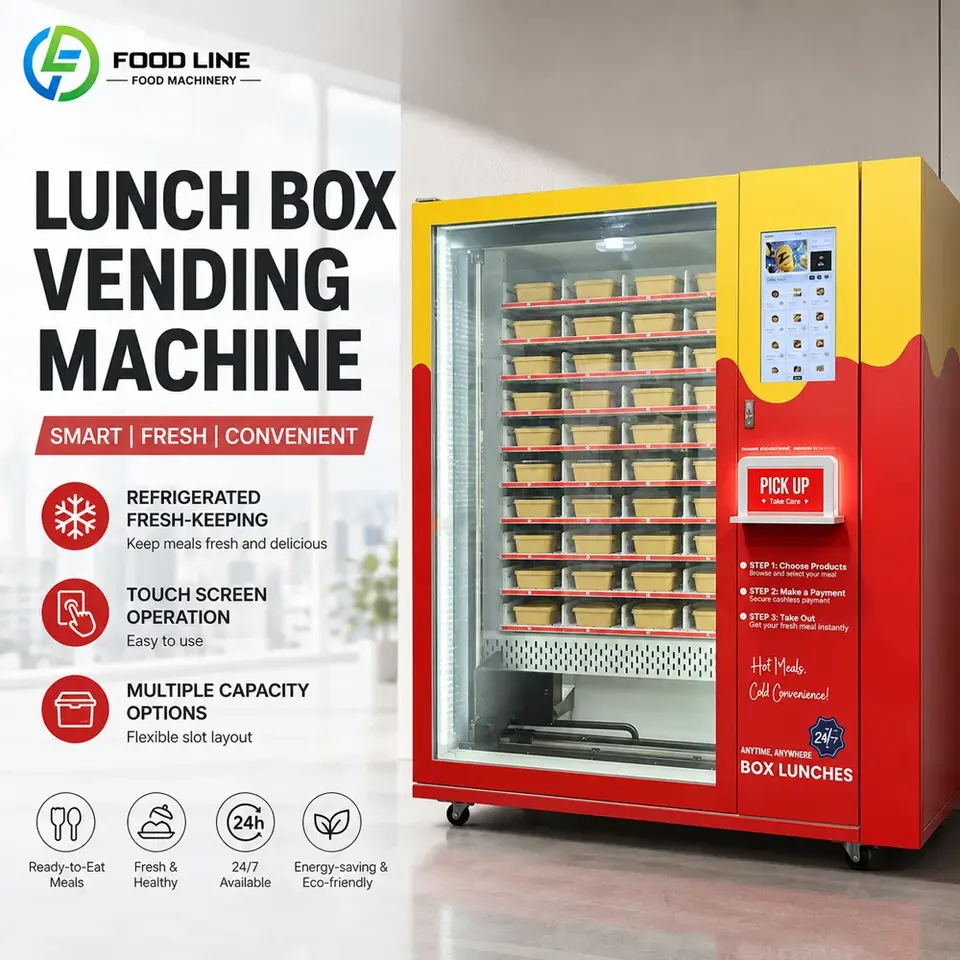
Healthy Food & Fresh Meal Vending Machine
Corporate and industrial canteens · Hospitals and healthcare sites
- Products: Sealed meal boxes, soups and noodles
- Storage: Chilled storage with a separately validated heating option
- Delivery: XY lifting platform and conveyor channels
28 standard channels and up to 32 stated maximum channels
Protein Vending Machine
Gyms and fitness clubs · Sports venues
- Products: Packaged protein bars, bottles, powders and sports-nutrition products
- Storage: Ambient or chilled after product-label review
- Delivery: Channel or gentle delivery selected from package dimensions
Channel layout based on bar, bottle, pouch or tub dimensions
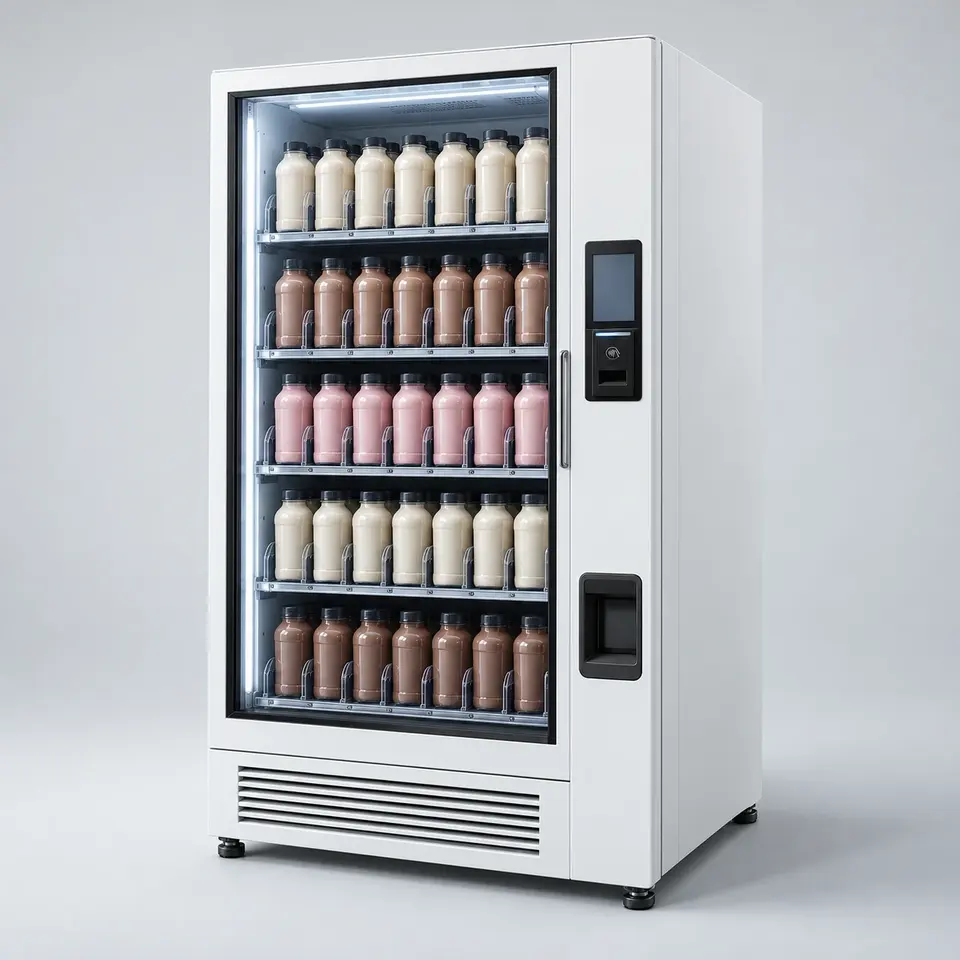
AI-generated concept illustration — final equipment may differ.
Fitness beverageProtein Shake Vending Machine
Gyms and fitness clubs · Sports venues
- Products: Ready-to-drink packaged shakes or a separately validated preparation workflow
- Storage: Chilled storage or preparation requirement: Send your product and site requirements to select the configuration.
- Delivery: Bottle/can channels or controlled preparation and collection workflow
Packaged RTD or project-defined mixing workflow
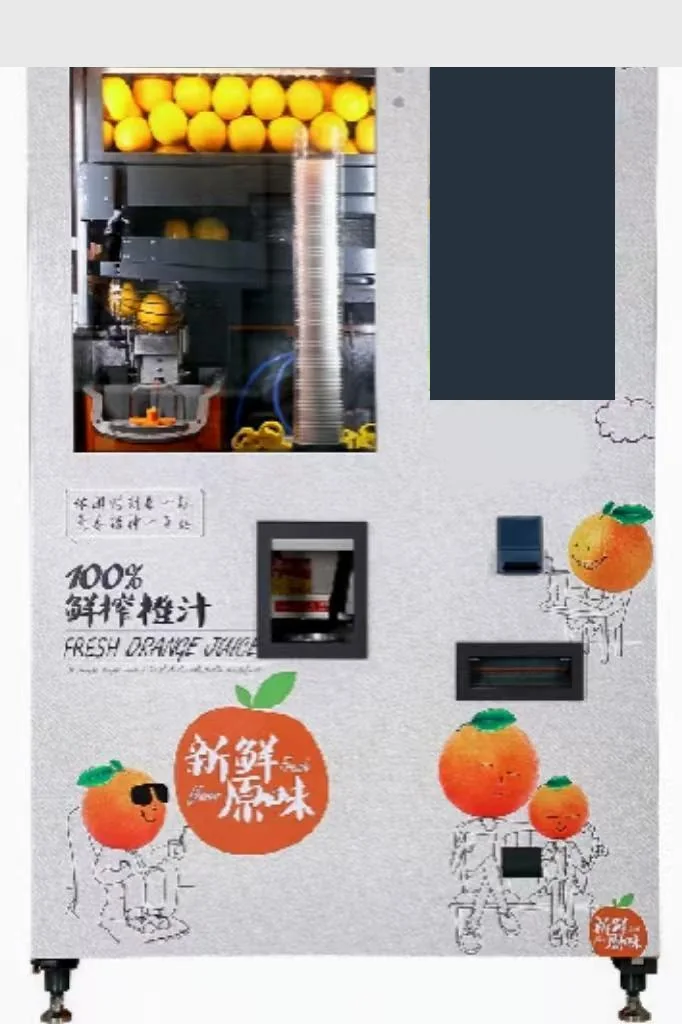
Fresh Squeezed Orange Juice Vending Machine
Shopping malls · Gyms
- Products: Whole-orange squeezing with a separate mixed-juice configuration
- Storage: Refrigerated fruit storage
- Delivery: Model-specific preparation and collection
FL-OJ-100 squeezes whole oranges on demand
How to choose
| Machine | Products | Storage | Delivery | Payment / access | Connectivity | Selection priority |
|---|---|---|---|---|---|---|
| Healthy Food & Fresh Meal Vending Machine | FL-FF-22 reference for sealed boxed meals, fast food, soups and noodles within the tested package range | Reference range 4–25°C with an optional heating workflow stated up to 55°C; validate storage and serving temperatures with the actual food | Conveyor channels plus movable XY lifting platform and horizontal collection workflow | Card readers (MDB) and QR payment can be configured for your market — tell us your country. | Membership card, IC card, third-party platform and payment integration are optional project scope | Validate cold chain, heating endpoint, spill protection and food-safety responsibilities before quotation |
| Protein Vending Machine | Packaged protein bars, bottles, powders and sports-nutrition products | Ambient or chilled after product-label review | Channel or gentle delivery selected from package dimensions | Cashless, membership and promotion workflow by location | Stock, expiry reminder and reporting scope by selected software | Product labeling, storage condition and refill discipline |
| Protein Shake Vending Machine | Ready-to-drink packaged shakes or a separately validated preparation workflow | Chilled storage or preparation requirement: Send your product and site requirements to select the configuration. | Bottle/can channels or controlled preparation and collection workflow | Cashless and membership workflow by location | Ingredient, stock and fault reporting scope by selected configuration | Ingredient sanitation, allergen controls and cleaning responsibility |
| Fresh Squeezed Orange Juice Vending Machine | Whole-orange squeezing with a separate mixed-juice configuration | Refrigerated fruit storage | Model-specific preparation and collection | Methods listed in each model specification | See the selected model specification | FL-OJ-100 squeezes whole oranges on demand |
Distinguish boxed meals from packaged nutrition
The fresh-meal reference uses conveyor delivery and a movable XY lifting platform, while the protein platform is scoped around packaged bars, bottles, pouches and tubs. These are different handling problems. A sealed meal tray needs clearance and protection against tipping; a bar needs reliable release from the selected channel. Distributors should keep separate sample lists for each format instead of combining every nutrition product into one assumed layout. Review the actual sales mix before comparing the proposed storage and collection arrangement.
Keep the cold chain in the operating plan
Use supplier storage instructions and the refill route to describe the complete meal journey. A machine is only one part of that route. Discuss loading conditions, service access, expiry checks and the action taken when a product is no longer eligible for sale. The fresh-meal reference contains specific channel and box-capacity information, but capacity depends on package size. Confirm the exact box dimensions and loaded test conditions before applying those reference values to an order or forecasting a refill interval.
Treat preparation as a separate engineering decision
Packaged ready-to-drink products require a different configuration from a separately validated mixing workflow. Mixing can introduce water, ingredients, cups, allergens and cleaning responsibilities that a chilled bottle cabinet does not address. For meals with a heating option, the storage condition and serving endpoint also need separate review. Ask which recipe or packaged food was used for validation and who approves the final process. Avoid treating a reference preparation-cycle figure as proof of safety for a different meal or ingredient.
Plan the service route with the venue
Hospitals, campuses, canteens and fitness locations have different refill access and operating routines. Agree who removes expired stock, checks packaging damage, cleans collection areas and responds to a cooling or ingredient exception. For a gym, distinguish a member promotion from the payment provider's merchant arrangement. For a meal site, document waste handling and replacement stock access. These decisions help buyers compare serviceable configurations rather than choosing a cabinet whose daily responsibilities are left undefined after installation.
Where these machines are used
Use gym nutrition retail planning, workplace and campus fresh-meal service, hospital access and service planning and campus product and refill planning to translate location, customer-access and service requirements into an operating brief. Compare that brief with the product configuration before selecting equipment.
Typical application settings
Consider these application settings when planning a deployment. Suitability still depends on the actual merchandise, placement and operator requirements.
- Corporate and industrial canteens
- Hospitals and healthcare sites
- Schools and universities
- Transport and public-service locations
- Gyms and fitness clubs
- Sports venues
Prepare a product-specific brief
Healthy Food & Fresh Meal Vending Machine: configuration review
The Foodline FL-FF-22 reference is a 21.5-inch fresh-meal vending configuration for boxed meals, fast food, soups and noodles, using conveyor delivery, a movable XY lifting platform and project-validated chilled or heated service workflows.
- 28 standard channels and up to 32 stated maximum channels
- Reference capacity of 120–200 meal boxes depending on package size
- Cold-meal collection under 15 seconds and heated-meal cycle under 75 seconds under reference operating conditions
- XY movable lifting platform and horizontal delivery intended to reduce soup spillage
Questions to resolve for this platform
- Meal-box dimensions, weight, sealing, recipe and supplier storage instructions
- Required chilled, heated or mixed workflow and validated serving temperature
- Daily meals, refill interval, expiry blocking, cleaning and waste procedure
- Destination voltage, payment, site ventilation and local food-service requirements
Protein Vending Machine: configuration review
A configurable vending machine for packaged protein bars, shakes, powders and related sports-nutrition products, with product-fit, payment and refill planning for gyms and wellness locations.
- Channel layout based on bar, bottle, pouch or tub dimensions
- Ambient or chilled configuration after product review
- Cashless payment and member-offer workflow scope
- Inventory and expiry-reminder scope by selected software
Questions to resolve for this platform
- Exact package formats, weights and storage instructions
- Ambient or chilled product mix
- Gym membership, payment and promotion workflow
- Refill schedule, expiry checks and site access
Nutrition claims, ingredients, labeling and any regulated supplements remain the operator and brand owner's responsibility in the destination market.
Final temperature, capacity, payment and reporting scope are Send your product and site requirements to select the configuration.
View Protein Vending Machine ConfigurationProtein Shake Vending Machine: configuration review
A project-defined protein shake vending platform for packaged ready-to-drink products or a separately validated made-to-order workflow, designed around cleaning, ingredients, payment and service responsibilities.
- Packaged RTD or project-defined mixing workflow
- Chilled storage option for validated packaged drinks
- Cashless, membership and promotion workflow scope
- Cleaning, ingredient and fault-alert requirements defined before quotation
Questions to resolve for this platform
- Ready-to-drink bottles or made-to-order ingredients
- Ingredient allergens, cleaning and water requirements
- Required chilled storage, daily demand and refill routine
- Payment terminal, membership and destination requirements
Made-to-order food or beverage preparation requires separate validation of sanitation, water, allergens, ingredients and local food-service rules.
Do not assume a packaged-drink cabinet is suitable for powder mixing or fresh ingredients without a model-specific engineering review.
View Protein Shake Vending Machine ConfigurationFresh Squeezed Orange Juice Vending Machine: configuration review
Compare fresh orange juice vending machines that squeeze whole oranges on demand. Review fruit capacity, cleaning access and payment configurations.
- FL-OJ-100 squeezes whole oranges on demand
- FL-OJ-100: approximately 75 kg fruit storage
- Separate FL-MJ-200 configuration for mixed fruit juice
- Automatic cup handling and cleaning access
Questions to resolve for this platform
- Selected Foodline model and order quantity
- Available site power, service space and operating conditions
- Destination and required payment methods
- Cleaning, replenishment and maintenance plan
Category purchasing FAQ
Can the same protein cabinet dispense fresh mixed shakes?
Not by assumption. The product page treats ready-to-drink packaged shakes and made-to-order preparation as different configurations. A mixing request needs a defined ingredient system, water supply, portions, cups, cleaning and allergen procedure. Share that workflow before requesting a quote. If your business sells sealed bottles and bars, start with their package dimensions and storage labels instead of paying for a preparation system you may not need.
How should I select a Healthy Food Vending Machine configuration?
For this category, begin with meal-box dimensions, weight, sealing, recipe and supplier storage instructions. Compare the documented fit, storage and delivery fields below, then discuss the rest of the product-specific questions with the supplier. Bring actual samples and the intended site conditions so the discussion concerns the merchandise you will sell or issue. A category name is a starting point for selection, not a substitute for an approved configuration.
Which payment or access arrangement should the quote include?
For this configuration, the payment or access scope is: Card readers (MDB) and QR payment can be configured for your market — tell us your country.. Confirm the exact terminal or access provider, account ownership, network and failed-transaction procedure for the destination. Additional products in the comparison may use different arrangements. Do not assume that a payment interface supplies a merchant account, an entitlement system or every local payment method without a named integration and acceptance plan.
How do I request OEM branding and a production schedule?
Submit this category with the package samples, order quantity, destination and requested cabinet or interface changes. Separate branding from changes to the delivery mechanism, food process or software integration. Request a configuration-specific schedule that names the agreed design and approval milestones. Review the equipment configuration and approval milestones with the supplier before agreeing the order schedule.
What should an export distributor verify before ordering?
Review the selected product's installation requirements, payment or access scope and operator responsibilities alongside packing and shipping arrangements. Request model-specific documentation for the actual destination rather than assuming a cabinet image proves approval. Define the spare-parts list and support boundary, and agree which sample or acceptance evidence will accompany the quoted configuration. Stocked-product permissions and venue approvals should be reviewed separately from equipment features.