Blind Box & Art Toy Vending Machines for Malls and Cinemas
A blind box vending machine is a configurable dispensing system for retail operators and distributors selling boxed collectibles and licensed art toys. Select the mechanism around the box and the retail experience around an authorized campaign. Protected collection, clear customer information and reliable sold-out behavior matter as much as cabinet graphics. Keep ordinary product sales separate from prize or chance-based promotions. The proposed merchandise, venue rules and permissions should be understood before artwork, lighting or a touchscreen campaign is approved for production. Buyers comparing lucky box vending machine and mystery box vending machine options should use the same product samples and destination requirements when evaluating alternatives. This page organizes the available family around purchasing decisions; follow the individual product links for configuration details. Use the questions below to prepare a requirement brief, identify the options that need confirmation and explain who will operate, refill and maintain the equipment after delivery.
Compare the available product platforms
Use the documented product fit and configuration scope to shortlist equipment. A photograph or concept illustration does not establish an unlisted option, approval or performance guarantee.
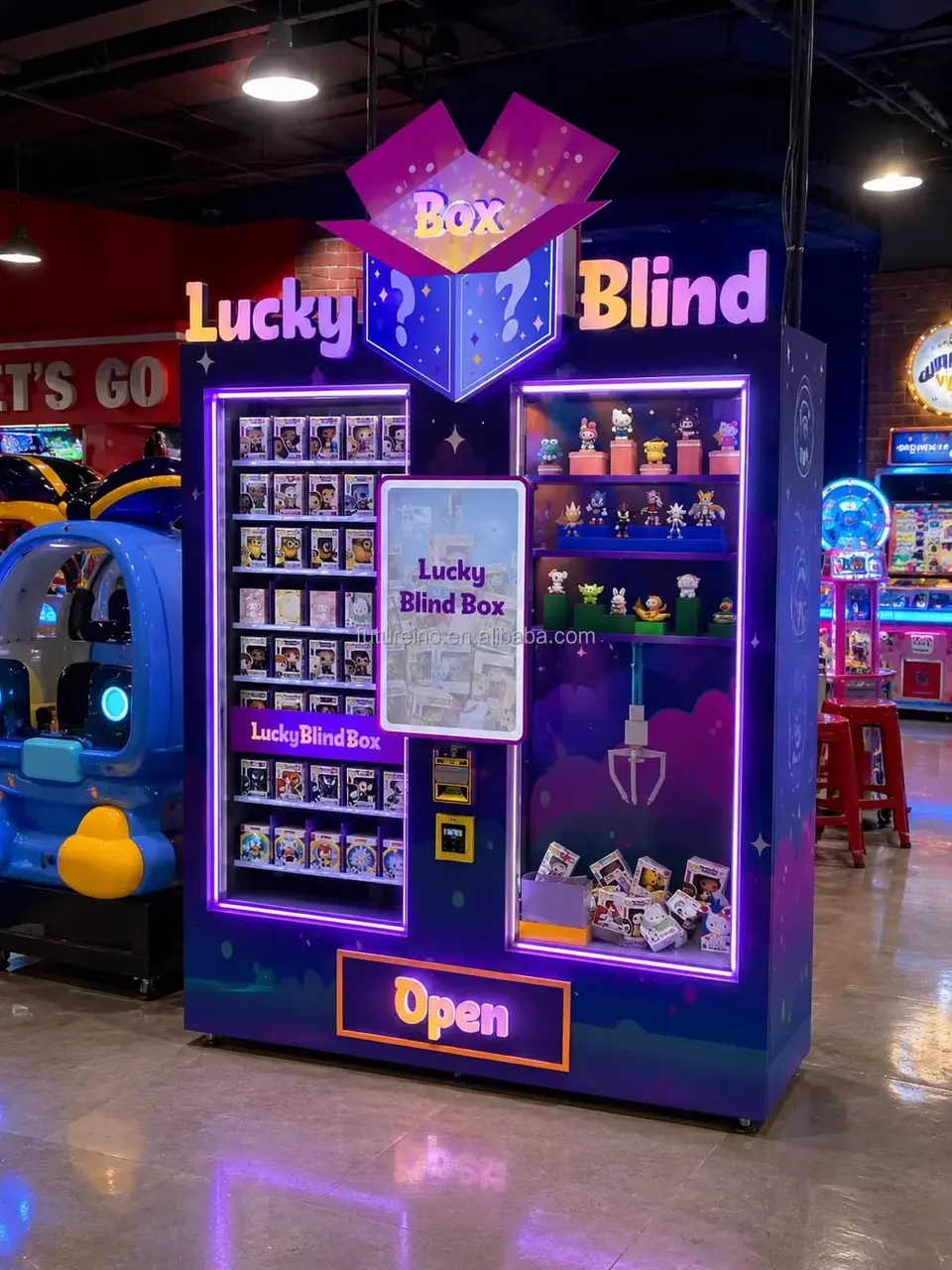
Blind Box & Art Toy Vending Machine
Cinemas · Entertainment centers
- Products: Blind boxes, collectibles and licensed art toys
- Storage: Ambient indoor retail
- Delivery: Gentle delivery or locker by package
Custom IP graphics and lighting
Key specifications
This category currently contains one product platform. Compare its specified configuration before considering a different cabinet or a new integration.
- Products
- Blind boxes, collectibles and licensed art toys
- Storage
- Ambient indoor retail
- Delivery
- Gentle delivery or locker by package
- Payment / access
- Cashless or mixed payment by venue
- Connectivity
- Campaign UI and stock reporting options
- Selection priority
- Licensed IP and consumer-promotion rules
Start with the box rather than the character
Measure every package family, including protective wrapping and any display sleeve. Collectibles may be light but still vulnerable to crushed corners or a poor collection opening. Gentle delivery or locker options can be selected around the package. Ask for trials that show release, collection and the condition of the retail box afterward. If the campaign uses different box sizes, identify whether the layout accommodates them together or requires a separate channel arrangement for each release.
Make campaign rights part of the handover
Custom IP graphics and lighting are supported project options, but the buyer must have permission to use supplied characters, logos and artwork. Prepare approved production files and identify who signs off the cabinet and screen content. Do not rely on an attractive concept image as authorization. For distributors, preserve the artwork approval alongside the machine configuration so a repeat campaign does not accidentally reuse expired assets or another customer's branding. Keep the equipment order and the rights to merchandise clearly documented.
Describe exactly what the customer is buying
A blind-box assortment needs clear product and campaign information. If a promotion introduces prizes, chance-based rules or unusual refund conditions, obtain local review before configuring the retail journey. Approval for those promotions depends on local requirements. Discuss the touchscreen messages shown before payment, after a successful vend and when an item is unavailable. A consistent purchase explanation is especially important when several machines share one campaign but operate in venues with different local requirements.
Manage stock changes between campaigns
Optional remote stock visibility can support replenishment, but the campaign operator still needs a process for loading, checking labels and reconciling stock. Record which box is assigned to each selection and how staff retire a sold-out release. Confirm refund and failed-delivery behavior before launch. For a short retail activation, plan removal of outdated screen content as well as physical products. The machine should be reviewed as a changing merchandise program rather than a permanent cabinet with one unchanging product layout.
Where these machines are used
For collectible campaigns, review collectible retail planning for malls and cinemas. To compare a different merchandise mix in a mall campaign, review beauty-brand activation planning at malls.
Typical application settings
Consider these application settings when planning a deployment. Suitability still depends on the actual merchandise, placement and operator requirements.
- Cinemas
- Entertainment centers
- Pedestrian retail
- Shopping malls
Prepare a product-specific brief
Blind Box & Art Toy Vending Machine: configuration review
Custom art-toy and blind-box vending designed around visual impact, product protection and campaign-specific interfaces.
- Custom IP graphics and lighting
- Touchscreen campaign experience
- Gentle delivery or locker options
- Remote stock visibility options
Questions to resolve for this platform
- Licensed artwork and brand guidelines
- Box dimensions and prize workflow
- Refund and sold-out behavior
- Campaign duration and rollout quantity
The buyer must hold permission to use all characters, logos and other intellectual property supplied for customization.
Prize, chance-based and consumer-promotion rules vary by market and must be reviewed locally.
View Blind Box & Art Toy Vending Machine ConfigurationCategory purchasing FAQ
Are large display windows or prize promotions standard?
Custom IP graphics, lighting, campaign touchscreens and gentle delivery or lockers can be configured; display-window requirements need separate confirmation. Prize and chance-based promotions require separate local review. Send the packaging, approved artwork and proposed purchase rules so the quote can distinguish physical display requirements from the promotion's software and legal responsibilities. Use the product page for the specific mechanism and configuration discussion.
How should I select a Blind Box Vending Machine configuration?
For this category, begin with licensed artwork and brand guidelines. Compare the documented fit, storage and delivery fields below, then discuss the rest of the product-specific questions with the supplier. Bring actual samples and the intended site conditions so the discussion concerns the merchandise you will sell or issue. A category name is a starting point for selection, not a substitute for an approved configuration.
Which payment or access arrangement should the quote include?
For this configuration, the payment or access scope is: Cashless or mixed payment by venue. Confirm the exact terminal or access provider, account ownership, network and failed-transaction procedure for the destination. Additional products in the comparison may use different arrangements. Do not assume that a payment interface supplies a merchant account, an entitlement system or every local payment method without a named integration and acceptance plan.
How do I request OEM branding and a production schedule?
Submit this category with the package samples, order quantity, destination and requested cabinet or interface changes. Separate branding from changes to the delivery mechanism, food process or software integration. Request a configuration-specific schedule that names the agreed design and approval milestones. Review the equipment configuration and approval milestones with the supplier before agreeing the order schedule.
What should an export distributor verify before ordering?
Review the selected product's installation requirements, payment or access scope and operator responsibilities alongside packing and shipping arrangements. Request model-specific documentation for the actual destination rather than assuming a cabinet image proves approval. Define the spare-parts list and support boundary, and agree which sample or acceptance evidence will accompany the quoted configuration. Stocked-product permissions and venue approvals should be reviewed separately from equipment features.