Snack & Drink Vending Machines for Offices, Schools and Transit
A snack and drink vending machine is a configurable dispensing system for operators and distributors stocking packaged snacks, bottles and cans. Compare a mixed cabinet with a dedicated beverage or food layout before deciding how much equipment a location needs. The right choice depends on package dimensions, sales mix, storage instructions and refill access. A cabinet that fits many products on paper still needs trials with the actual bags, bottles or cartons. Cooling, delivery and destination payment should be reviewed together rather than chosen as unrelated accessories. Buyers comparing drink vending machine and refrigerated vending machine options should use the same product samples and destination requirements when evaluating alternatives. This page organizes the available family around purchasing decisions; follow the individual product links for configuration details. Use the questions below to prepare a requirement brief, identify the options that need confirmation and explain who will operate, refill and maintain the equipment after delivery.
Compare the available product platforms
Use the documented product fit and configuration scope to shortlist equipment. A photograph or concept illustration does not establish an unlisted option, approval or performance guarantee.
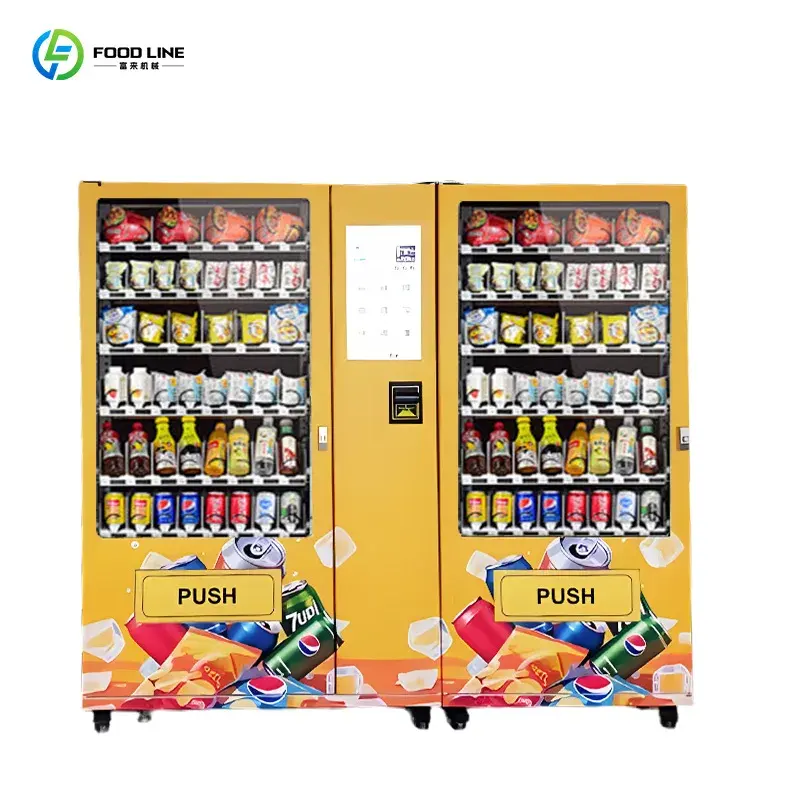
Combo Snack & Drink Vending Machine
Offices and factories · Schools and hospitals
- Products: Packaged snacks, bottles and cans
- Storage: Refrigerated cabinet; match the range to your products
- Delivery: Reference layout: 10 slots × 6 levels
Reference lead time: 30–40 working days after deposit; final schedule in quote.
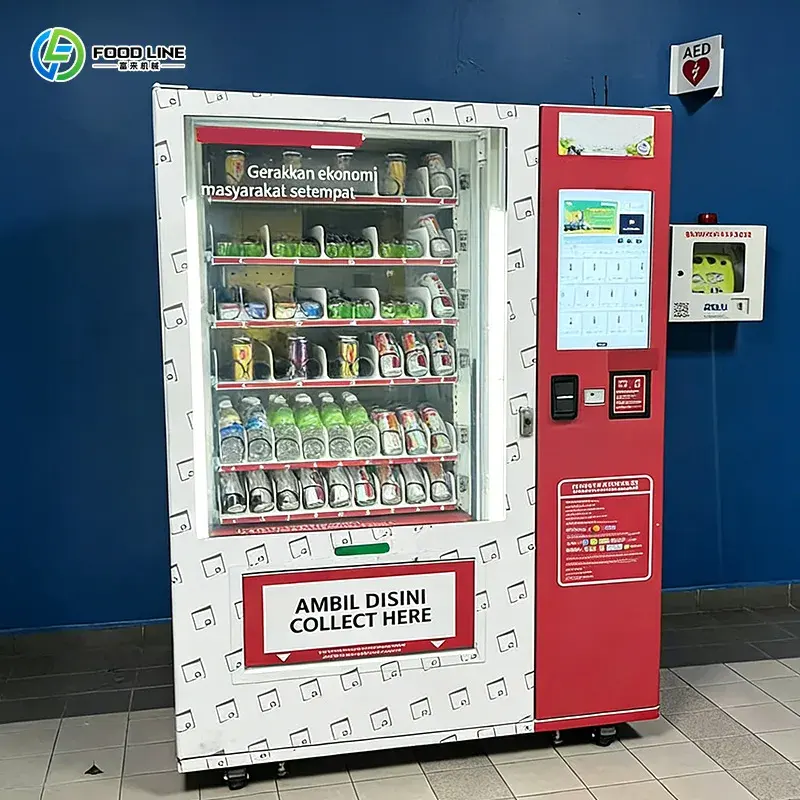
Beverage Vending Machine
Offices · Transit hubs
- Products: Bottled water, cans and packaged drinks
- Storage: Ambient or refrigerated configuration
- Delivery: Channels selected for your bottle and can sizes
Adjustable bottle and can channels
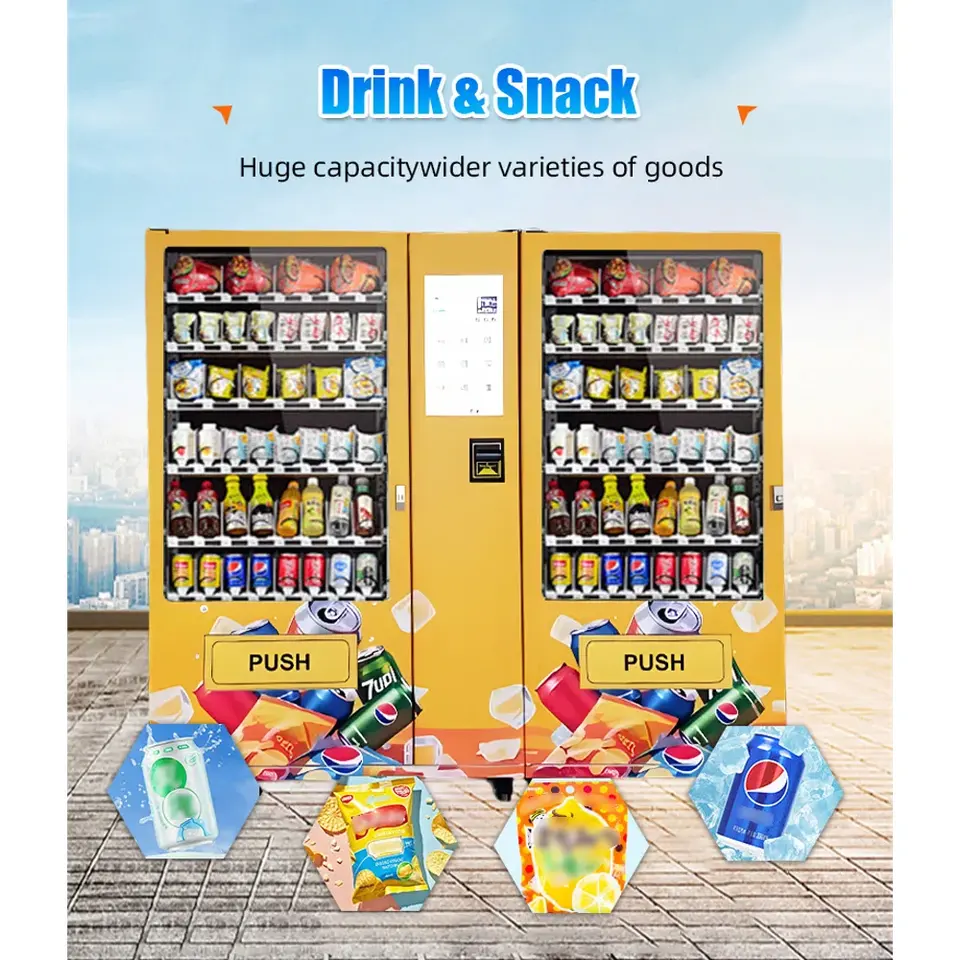
Snack & Food Vending Machine
Corporate campuses · Hospitals
- Products: Packaged snacks, bars and compatible food packs
- Storage: Ambient or chilled configuration
- Delivery: Spiral, belt or elevator options
Adjustable spiral or belt channels
Refrigerated Vending Machine
Offices and factories · Hospitals and campuses
- Products: Bottles, cans, packaged snacks and sealed chilled products after SKU trials
- Storage: model-specific; validate loaded range, recovery and site ambient condition
- Delivery: Channels, belt, elevator or locker selected from SKU geometry
Refrigeration and channel configuration reviewed with the product list
How to choose
| Machine | Products | Storage | Delivery | Payment / access | Connectivity | Selection priority |
|---|---|---|---|---|---|---|
| Combo Snack & Drink Vending Machine | Mixed snacks, bottles and cans; optional coffee module on the wider reference configuration | Reference configuration: 4–25°C inner temperature; validate loaded product requirement | 10 slots per level and 6 levels by default; final channel plan follows measured SKUs | MDB preparation; cash, coin, card and QR devices confirmed by destination | 4G or 4G/GPRS telemetry reference; cloud account, subscription and data rights confirmed by project | Choose FL-S-C10, FL-S-C60 or a model-specific build before freezing layout |
| Beverage Vending Machine | Bottles, cans and packaged cold drinks | Ambient or refrigerated; range confirmed by model | Channel type selected from package dimensions | Cash, coin and cashless devices scoped by country | Optional telemetry and remote status | Cooling performance and bottle/can fit |
| Snack & Food Vending Machine | Packaged snacks, ambient food and selected chilled items | Ambient or refrigerated; food requirement must be stated | Spiral, belt or elevator depending on package fragility | MDB device preparation reviewed per project | Optional sales, stock and fault reporting | Package trials and gentle delivery |
| Refrigerated Vending Machine | Bottles, cans, packaged snacks and sealed chilled products after SKU trials | model-specific; validate loaded range, recovery and site ambient condition | Channels, belt, elevator or locker selected from SKU geometry | Cashless and other devices scoped by destination | Optional temperature, stock and fault reporting | Storage requirement, cooling test basis and site ventilation |
Choose a mixed or dedicated merchandise layout
A combo cabinet brings snacks and beverages into one equipment decision, while dedicated beverage and food platforms let buyers examine different channel and delivery priorities. List the products by package format and expected refill frequency rather than using a single total capacity target. A mixed workplace location may need a different layout from a bottle-focused transit site. Compare how the proposed shelf arrangement handles that mix, and ask which changes require hardware adjustment rather than simply editing the displayed product name.
Measure packages before counting selections
Bring sample packages to the configuration discussion. A flexible snack bag, a rigid can and a tall bottle behave differently during storage and release. Record width, depth, height and loaded weight, including any variation between suppliers. The existing range includes adjustable channels and project-selected spiral, belt or elevator options. Ask for a delivery trial with the actual merchandise and review the collection opening. A successful trial should establish package handling and customer retrieval rather than just show an empty mechanism moving.
Separate cooling requirements from cabinet labels
A refrigerated label does not establish suitable storage for every food. Use the stocked product supplier's instructions to define the required loaded condition and review the site's maximum ambient temperature and ventilation. The combo reference includes a quoted inner temperature range, but the separate refrigerated platform requires model-specific validation. Agree how loading, door opening and restocking affect the test. Keep ambient snacks and temperature-sensitive products clearly identified so an operator does not treat one cabinet setting as a universal storage approval.
Compare reference options on the same basis
Combo configurations distinguish control-screen and advertising-screen options, an optional coffee module, MDB preparation and telemetry scope. Those options should appear as separate decisions in a quote comparison. Do not transfer a reference feature or delivery schedule to every beverage, snack or chilled build. For a distributor, record the selected screen, controller, payment hardware, cloud account and spare-parts scope with the channel plan. That makes a repeat order easier to review when the next customer has a different product mix.
Where these machines are used
Use workplace refreshment planning, campus product and refill planning, airport retail and service planning and hotel lobby and guest-amenity planning to translate location, customer-access and service requirements into an operating brief. Compare that brief with the product configuration before selecting equipment.
Typical application settings
Consider these application settings when planning a deployment. Suitability still depends on the actual merchandise, placement and operator requirements.
- Offices and factories
- Schools and hospitals
- Airports and transport hubs
- Hotels and residential buildings
- Offices
- Transit hubs
Prepare a product-specific brief
Combo Snack & Drink Vending Machine: configuration review
A refrigerated combination vending platform for operators who need snacks and drinks in one cabinet, with a standard 5-inch control-screen reference or a wider 19-inch advertising-screen configuration with optional coffee dispensing.
- Reference layout: 10 slots per level and 6 levels by default
- Reference range: 4–25°C inner temperature
- MDB connector, MCU control and 4G telemetry references
- Optional coffee module for hot drinks, cold drinks, hot water and cup dispensing
Questions to resolve for this platform
- Final SKU dimensions, weight and snack-to-drink ratio
- FL-S-C10, FL-S-C60 or model-specific build
- Destination voltage, payment devices, network and cloud account
- Screen, coffee module, order quantity, branding and packing
Beverage Vending Machine: configuration review
High-capacity beverage vending configured for bottle and can formats, dependable cooling and local payment systems.
- Adjustable bottle and can channels
- Refrigerated cabinet options
- MDB cashless payment support
- Remote inventory and sales data options
Questions to resolve for this platform
- Bottle/can dimensions and SKU count
- Required cooling range
- Payment devices and country
- Indoor or outdoor location
Snack & Food Vending Machine: configuration review
Flexible food vending with adjustable channels, optional refrigeration and gentle delivery for a wider SKU mix.
- Adjustable spiral or belt channels
- Ambient and chilled options
- Elevator delivery option
- Flexible shelf configuration
Questions to resolve for this platform
- Package dimensions and weight
- Shelf life and temperature
- Daily sales estimate
- Required delivery mechanism
Refrigerated Vending Machine: configuration review
A refrigerated vending platform for cold drinks, snacks and sealed chilled products, with cabinet, channel, temperature and payment scope selected for the actual SKU plan.
- Refrigeration and channel configuration reviewed with the product list
- Bottle, can, snack and sealed-food delivery options
- Cashless payment and remote temperature-status scope
- Project-defined loading, cleaning and service plan
Questions to resolve for this platform
- SKU dimensions, loaded weight and supplier storage instructions
- Required temperature range and maximum site ambient condition
- Indoor or sheltered location, ventilation and power
- Payment terminal, network and operator maintenance workflow
A refrigerated cabinet does not establish the required storage conditions for every food product; validate the actual SKU and site workflow.
Temperature range, recovery performance, certificates and food-service responsibilities are Send your product and site requirements to select the configuration.
View Refrigerated Vending Machine ConfigurationCategory purchasing FAQ
Does one lead time apply to every snack and drink model?
No. The existing combo card gives a reference of 30–40 working days after deposit, with the final schedule confirmed in the quote. That reference is not a promise for the whole category. A dedicated beverage cabinet, modified delivery mechanism, destination terminal or optional coffee configuration needs its own production and acceptance schedule. Ask for the exact model and options to be named next to the quoted delivery basis.
How should I select a Snack & Drink Vending Machine configuration?
For this category, begin with final sku dimensions, weight and snack-to-drink ratio. Compare the documented fit, storage and delivery fields below, then discuss the rest of the product-specific questions with the supplier. Bring actual samples and the intended site conditions so the discussion concerns the merchandise you will sell or issue. A category name is a starting point for selection, not a substitute for an approved configuration.
Which payment or access arrangement should the quote include?
For this configuration, the payment or access scope is: MDB preparation; cash, coin, card and QR devices confirmed by destination. Confirm the exact terminal or access provider, account ownership, network and failed-transaction procedure for the destination. Additional products in the comparison may use different arrangements. Do not assume that a payment interface supplies a merchant account, an entitlement system or every local payment method without a named integration and acceptance plan.
How do I request OEM branding and a production schedule?
Submit this category with the package samples, order quantity, destination and requested cabinet or interface changes. Separate branding from changes to the delivery mechanism, food process or software integration. Request a configuration-specific schedule that names the agreed design and approval milestones. Review the equipment configuration and approval milestones with the supplier before agreeing the order schedule.
What should an export distributor verify before ordering?
Review the selected product's installation requirements, payment or access scope and operator responsibilities alongside packing and shipping arrangements. Request model-specific documentation for the actual destination rather than assuming a cabinet image proves approval. Define the spare-parts list and support boundary, and agree which sample or acceptance evidence will accompany the quoted configuration. Stocked-product permissions and venue approvals should be reviewed separately from equipment features.