AI & Smart Vending Machines for Connected Retail Fleets
An AI vending machine is a project-defined connected retail platform for operators and distributors planning connected retail fleets. Separate a connected cabinet from a recognition or recommendation project. A touchscreen can display a menu without recognizing products, and a dashboard can report stock without making autonomous decisions. Start with the operating task, the merchandise and the person responsible for each exception. Then decide which controller, terminal, network and reporting interfaces belong in the purchase specification. Buyers comparing smart vending machine and iot vending machine options should use the same product samples and destination requirements when evaluating alternatives. This page organizes the available family around purchasing decisions; follow the individual product links for configuration details. Use the questions below to prepare a requirement brief, identify the options that need confirmation and explain who will operate, refill and maintain the equipment after delivery.
Compare the available product platforms
Use the documented product fit and configuration scope to shortlist equipment. A photograph or concept illustration does not establish an unlisted option, approval or performance guarantee.
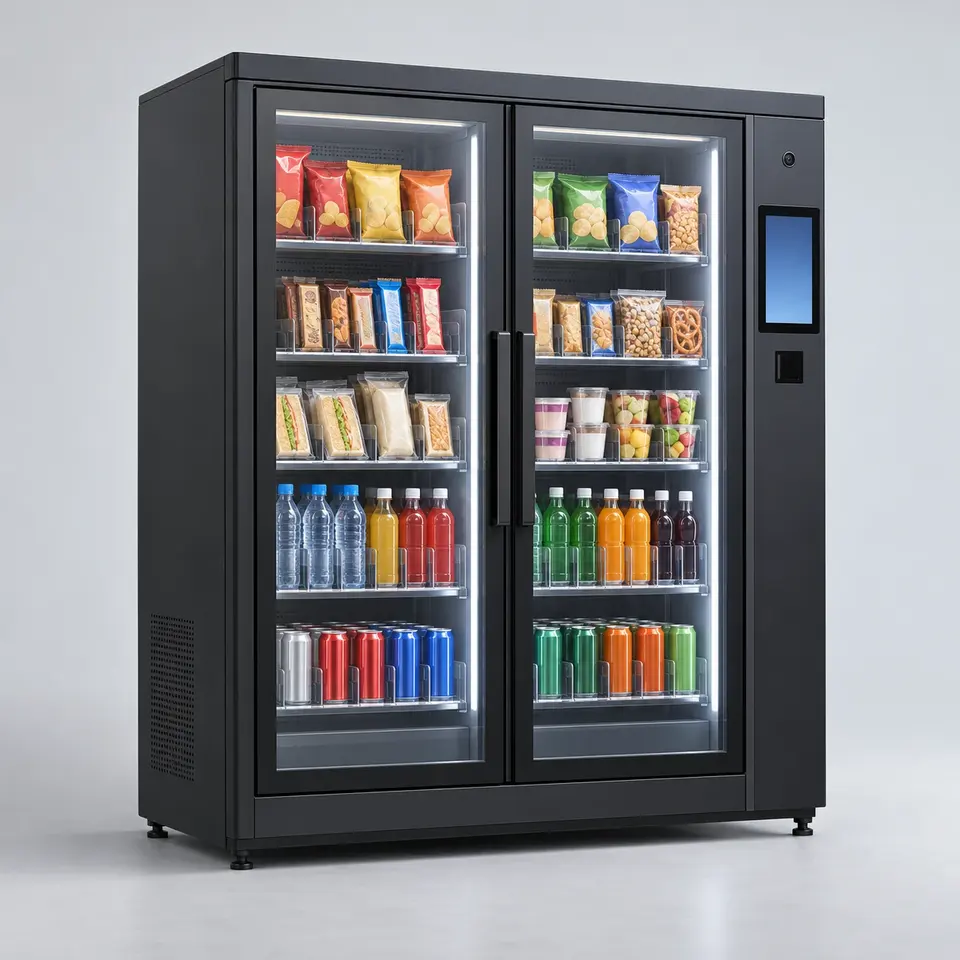
AI-generated concept illustration — final equipment may differ.
Premium priorityAI & Smart Vending Machine Solutions
Vending fleets · Retail media
- Products: Connected retail, media and fleet applications
- Storage: Depends on the selected product cabinet
- Delivery: Configured for the product and customer journey
Project-selected touchscreen, controller and MDB version
Key specifications
This category currently contains one product platform. Compare its specified configuration before considering a different cabinet or a new integration.
- Products
- Connected retail, media and fleet applications
- Storage
- Depends on the selected product cabinet
- Delivery
- Configured for the product and customer journey
- Payment / access
- Terminal, account, network and MDB validated together
- Connectivity
- Dashboard, SIM, telemetry and API scope documented
- Selection priority
- Data ownership and complete integration testing
Define the intelligence you actually need
Write one acceptance statement for each proposed AI function. Product recognition, personalized recommendations and remote analytics need different inputs, interfaces and review procedures. A distributor should ask what happens when a package changes, lighting varies or the system cannot identify an item. Do not buy an undefined intelligence label. Record who supplies the training examples, who approves the results and which fallback keeps the customer transaction understandable. The current product page treats recognition and analytics as separately defined requirements rather than universal delivered features.
Make fleet visibility useful to the operator
An inventory dashboard is valuable only when the refill team can act on its information. Identify the sales, stock, door, temperature and fault fields needed for the proposed cabinet. Define who receives an exception and how the team distinguishes stale data from a healthy machine. A fleet buyer should review account ownership before rollout: operator administrators, distributor support staff and location managers may need different permissions. Match the reporting scope to the actual service organization instead of collecting every available metric without an assigned response.
Test the whole transaction across interfaces
The payment terminal, merchant account, controller and network form one transaction chain. Review an approved sale, a declined payment, an interrupted connection and a failed delivery as separate test cases. Decide where the authoritative transaction record lives and how staff reconcile it with the machine event. For API or webhook requests, specify the intended endpoint, field names and ownership. An integration discussion does not establish that a production interface is already available; its delivery and acceptance belong in the written project scope.
Prepare a controlled fleet rollout
Use representative merchandise and the intended network arrangement when reviewing the first configuration. Record the cabinet choice, touchscreen, controller version and terminal so a later repeat order is comparable. Ask who maintains campaign content and who can change operational settings. Keep a recovery procedure for a lost connection or unavailable cloud account. For distributors, the important handover is a documented support boundary: which exceptions the local operator handles and which require the equipment or software supplier to investigate.
Where these machines are used
Use workplace refreshment planning, airport retail and service planning and transport-hub operating requirements to translate location, customer-access and service requirements into an operating brief. Compare that brief with the product configuration before selecting equipment.
Typical application settings
Consider these application settings when planning a deployment. Suitability still depends on the actual merchandise, placement and operator requirements.
- Vending fleets
- Retail media
- Brand activations
- Smart buildings
Prepare a product-specific brief
AI & Smart Vending Machine Solutions: configuration review
Plan smart vending and AI-assisted retail workflows with remote inventory, cashless payment and separately defined recognition or analytics requirements.
- Project-selected touchscreen, controller and MDB version
- Remote inventory, sales, door, temperature and fault reporting scope
- Cashless terminal, merchant account, SIM and network integration
- API, webhooks, user roles and digital advertising options
Questions to resolve for this platform
- Fleet size, markets and rollout plan
- Required dashboard fields, reports and user roles
- Payment terminal, merchant account, SIM and network
- API endpoints, webhooks, data ownership and advertising workflow
Category purchasing FAQ
Does a touchscreen make a machine AI-enabled?
No. A project-selected touchscreen can be combined with separately scoped recognition, analytics, reporting and API functions. Specify the exact customer or operator task before selecting hardware. Review example inputs, the expected output, failure cases and a fallback workflow. This category helps define connected procurement; the individual product page remains the place to compare its controller, integration and reporting configuration.
How should I select a AI Vending Machine configuration?
For this category, begin with fleet size, markets and rollout plan. Compare the documented fit, storage and delivery fields below, then discuss the rest of the product-specific questions with the supplier. Bring actual samples and the intended site conditions so the discussion concerns the merchandise you will sell or issue. A category name is a starting point for selection, not a substitute for an approved configuration.
Which payment or access arrangement should the quote include?
For this configuration, the payment or access scope is: Terminal, account, network and MDB validated together. Confirm the exact terminal or access provider, account ownership, network and failed-transaction procedure for the destination. Additional products in the comparison may use different arrangements. Do not assume that a payment interface supplies a merchant account, an entitlement system or every local payment method without a named integration and acceptance plan.
How do I request OEM branding and a production schedule?
Submit this category with the package samples, order quantity, destination and requested cabinet or interface changes. Separate branding from changes to the delivery mechanism, food process or software integration. Request a configuration-specific schedule that names the agreed design and approval milestones. Review the equipment configuration and approval milestones with the supplier before agreeing the order schedule.
What should an export distributor verify before ordering?
Review the selected product's installation requirements, payment or access scope and operator responsibilities alongside packing and shipping arrangements. Request model-specific documentation for the actual destination rather than assuming a cabinet image proves approval. Define the spare-parts list and support boundary, and agree which sample or acceptance evidence will accompany the quoted configuration. Stocked-product permissions and venue approvals should be reviewed separately from equipment features.